28 is Jazz
28 is alive, loose, spontaneous and a little unpredictable, the way jazz is. And like jazz, it rewards being in the middle of the action, connected with the surroundings and reacting to what’s happening around you.
When I say 28, I mean 28mm as in, the focal length in photography and film-making. For anyone unfamiliar with the term focal length, it’s basically how much of the scene fits in the frame and how expanded or compressed the space around subject(s) feels. Each focal length also has a distinct visual language. A wider field of view has a different story-telling language than a tighter field of view. An expansive scene feels different than a tighter, more intimate field of view and a wide shot generally fits more into a composition than a tighter shot.
What’s that got to do with Jazz I hear you say!?
Let me explain; I was sitting at the bar of my local Pub, having my second Guinness (which might go some way to explain what follows), when a sudden thought popped into my head as I was yet again pondering about which of these 3 focal lengths (28mm, 35mm, 50mm) was my favourite.
Perhaps I was inspired by my surroundings, for De Barras Folk Club (my local Pub) is steeped in memorabilia and filled with echoes of its Rock n’ Roll past, including a framed platinum album which hangs on the wall right next to where I was sitting. The thought that had popped into my head was actually more of a question:
“Could I relate focal length to music genres?”
I had no idea quite frankly whether I was onto something or whether I had simply lost my mind. But I decided to explore it anyway. So, I got my little notebook out, took another sip and started listing my 10 favourite bands or artists and then divided them into their music genres. I then needed to equate the 3 focal lengths (28mm, 35mm and 50mm) to the corresponding music genres I had listed by finding some sort of commonality. Some way of equating a focal length’s character to that of a music genre.
Before breaking them out and attempting to assign them to a music genre, here is how I would describe the 3 focal lengths in terms of their visual language:
28mm - “In the middle of the street”.
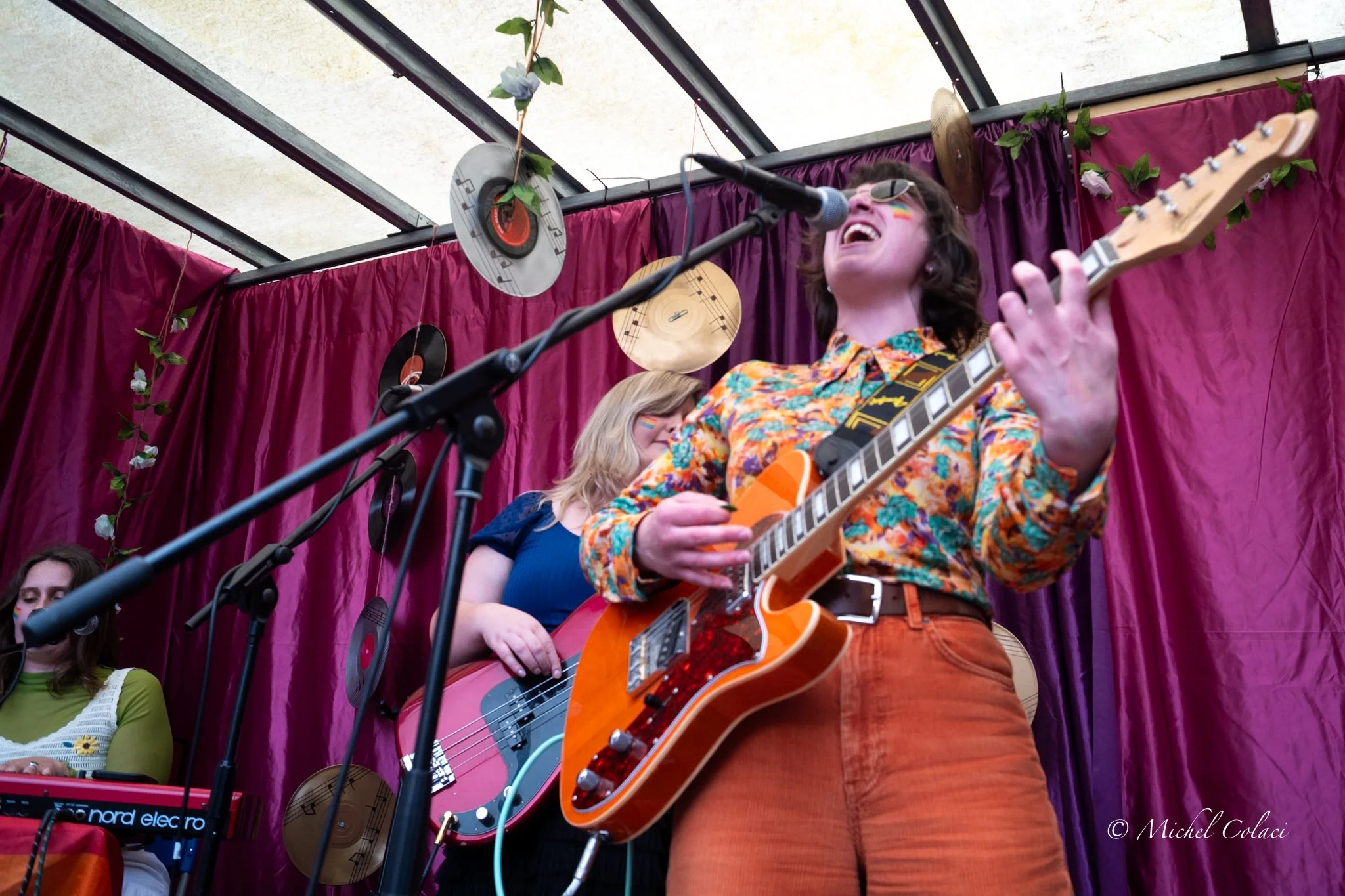
28mm is a wide but not super wide focal length. It can be quite a busy frame in street photography. You will often get some random stuff included in the frame at the edges. I find it a very visceral story-telling tool. In using it around people, there is no hiding. You WILL be seen as you’ll need to get close. In composition you have to be careful that you don’t have too much in your frame or it just gets manic.

Boola Boom at Clonakilty Street Carnival, shot with a 28mm lens.
50mm - “looking out the window onto the street”
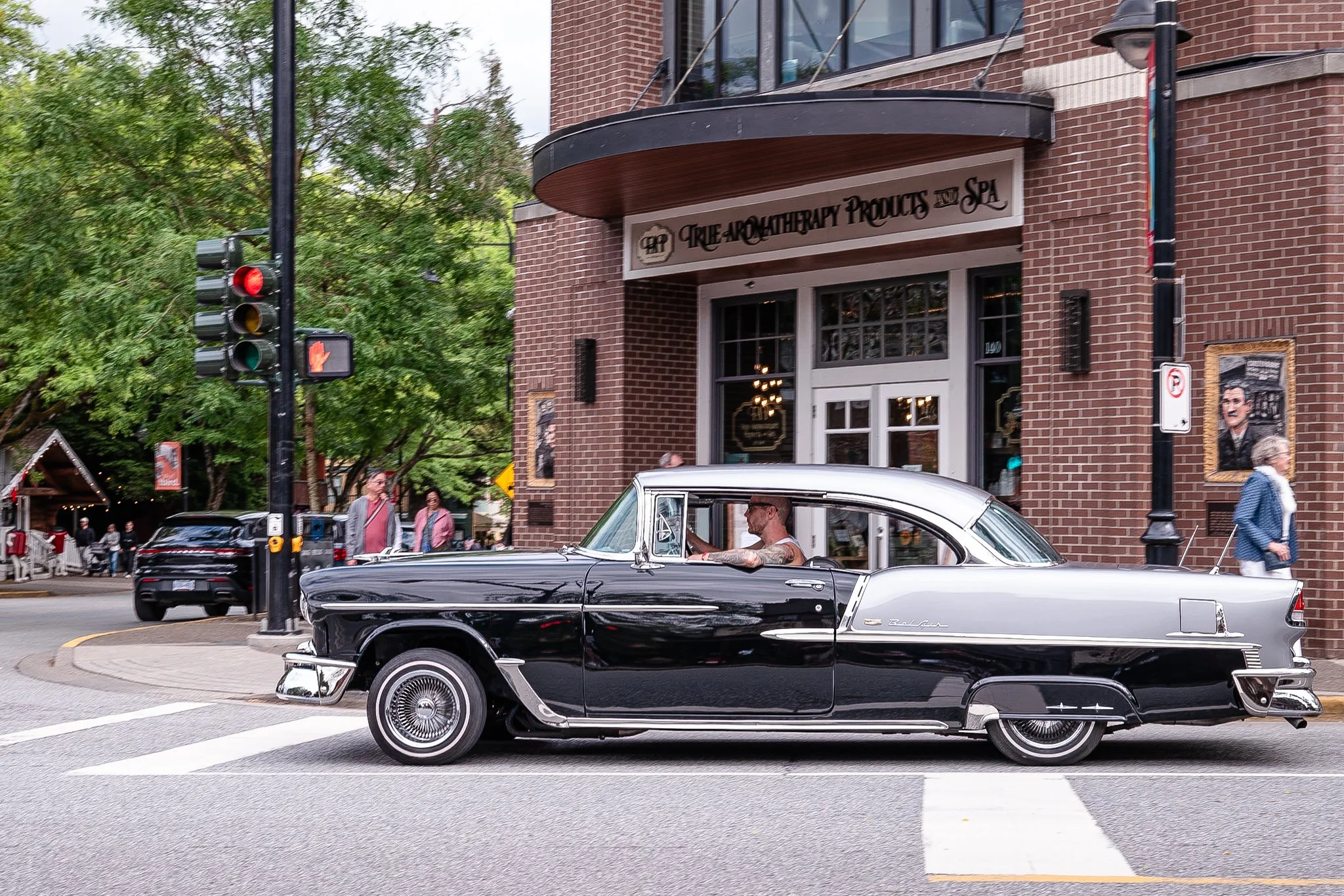
50mm is considered a “normal” focal length. It frames the subject in a more isolated way and reveals more of the character of the subject and less of its surroundings. In using it around people, you can be more discreet and at a greater distance from your subject. You will often have to decide what won’t fit into a frame rather than what will. Images often feel more calm, deliberate, composed.
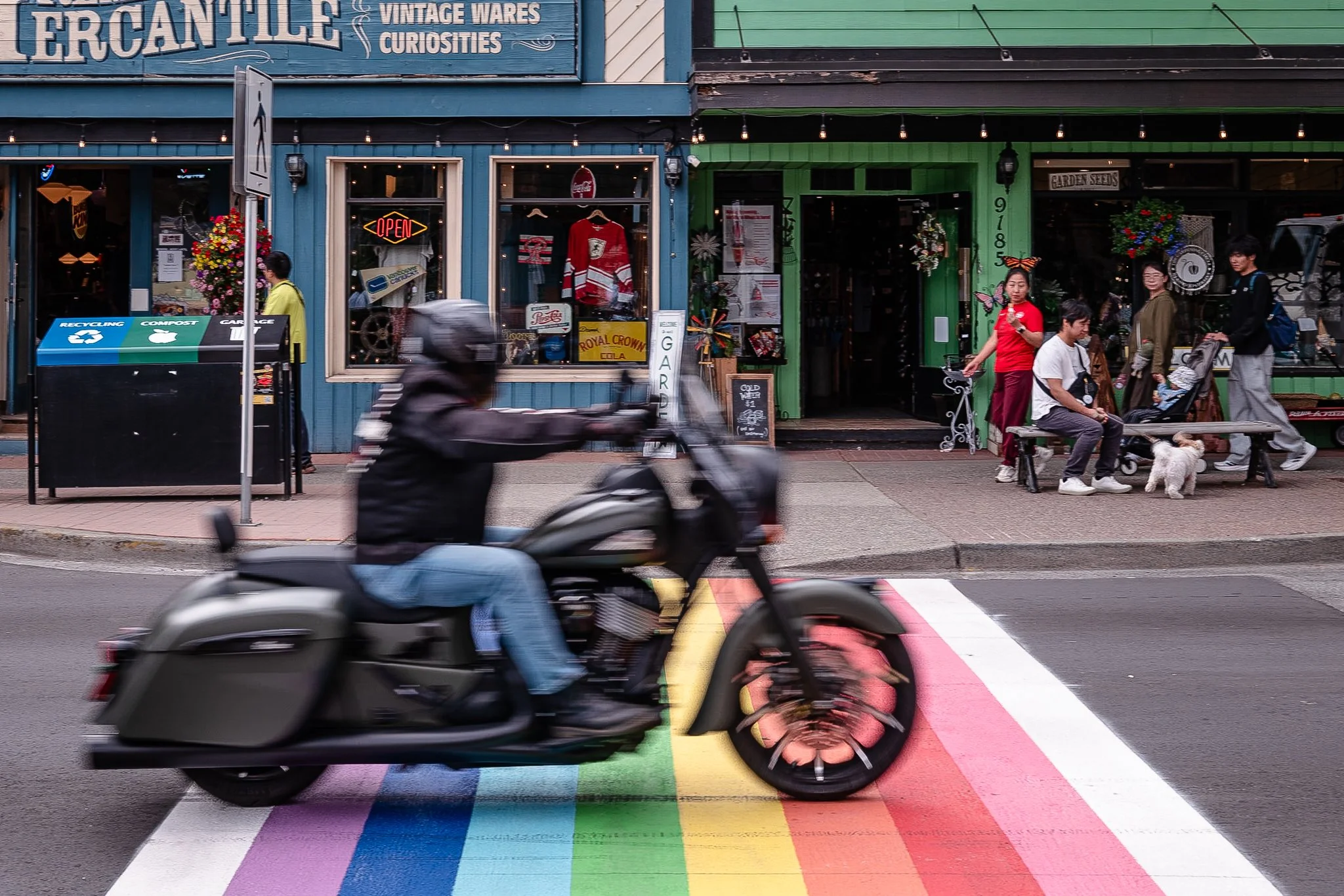
“Ghost Rider” - Vancouver, Canada. Shot with a 50mm Lens.
35mm - "standing on the sidewalk"
35mm is somewhere in the middle of the two. It’s kind of wide but also kind of normal. It’s also a great contextual story-telling tool but provides a cleaner frame than 28mm and doesn’t reveal the same level of character from your subject than a 50mm would. It’s a sensible choice. Great for showing your subject in its surroundings.
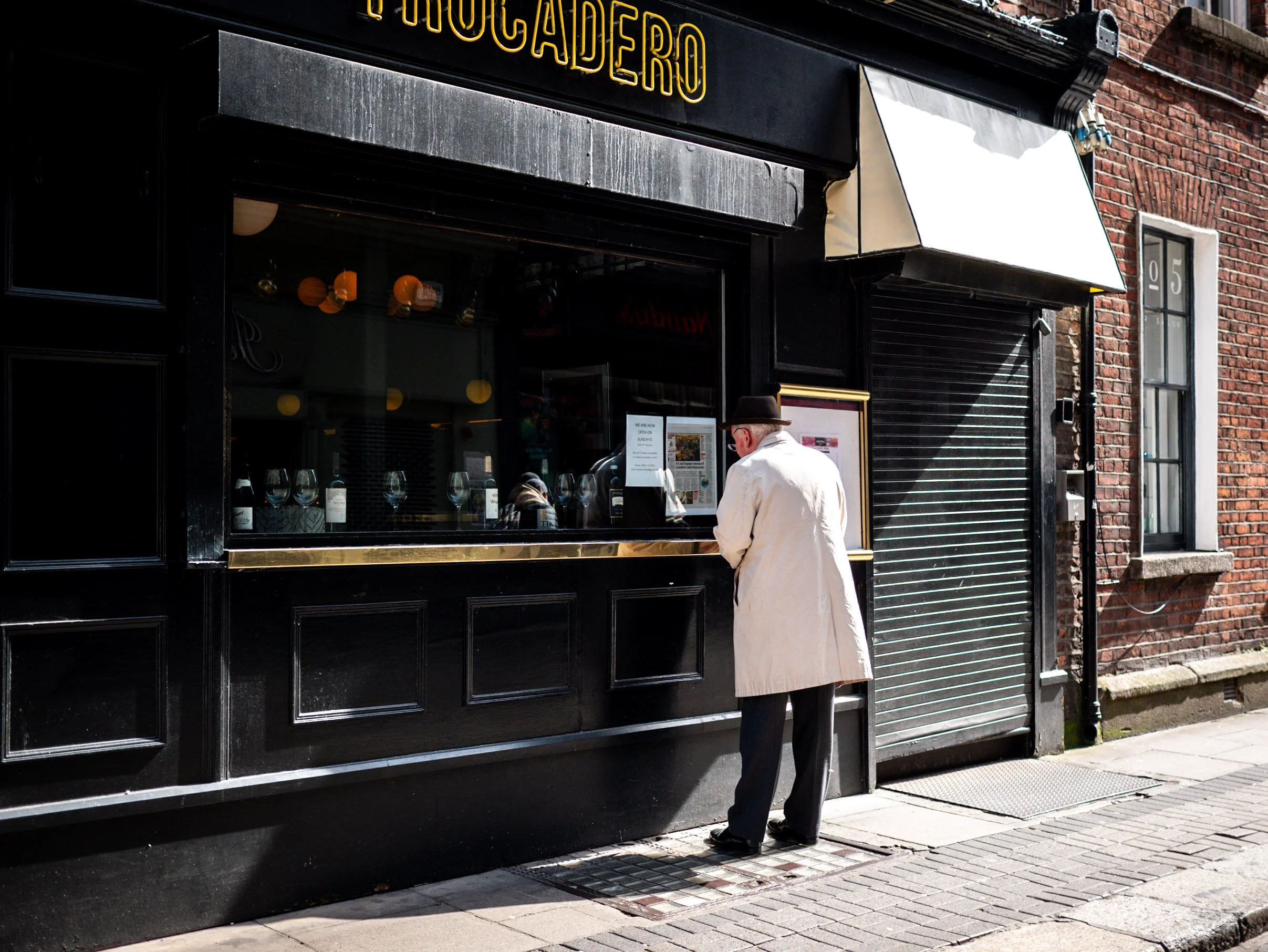
“Trocadero” - Dublin, Ireland. Shot with a 35mm lens.
So, how do music genres fit into this?
In the same way focal lengths have their individual visual language, I figured music genres have their own way of shaping mood, space and feeling. With that in mind, I tried to describe the first 5 music genres that came to mind and then allocate each of them a focal length that shares a common thread, energy or feeling.
Jazz: 28mm. Expressive, visceral, more freely structured and a bit in your face.
Hard Rock/Metal: 28mm. Raw, loud, energetic and again, a bit in your face.
Pop: 35mm. Well organised, structured, polished but a bit predictable.
Classical: 50mm. Considered, elegant, timeless and more discreet.
Singer-Songwriter: 50mm. Intimate, reflective, understated.
Country: 35mm. Plainspoken, familiar, grounded and again, a bit predictable.
So, where did I land with my 10 favourite bands/artists?
I should have probably known that I was unlikely to land in the middle ground and that my taste in music, much like the style of images I am drawn to, are firmly either on one end or the other. Either expressive, visceral, loud and energetic or elegant, considered, reflective and intimate. Smashing Pumpkins or Miles Davis, Rammstein or Jeffrey Martin.
5 of them landed in the 28mm category and 5 in the 50mm category.
They were all pretty much firmly among Jazz, Hard Rock, Singer-Songwriter & Punk Rock. So, aside from being reminded of how all over the place my music is, what conclusions have I drawn from this from a photographic perspective?
I think it reaffirms my instinctive sense of leaning either one way or another. I always felt that 35mm was a bit “sensible”. Like it was (purely for me) a bit of a cop-out of committing hard. Don’t get me wrong, it does the job of story-telling very well and In capable hands it is amazing and there is a reason why so many street and reportage photographers swear by it. But It’s just probably not for me. I love the challenge of having to commit hard. One way or the other.
But the conundrum is, I can’t seem to get myself to stick to just one of these two (28 or 50). So, I have decided:
28 AND 50 it is.
There is probably a reason why this has been such a legendary combination of 2 prime lenses going back to the days of film.
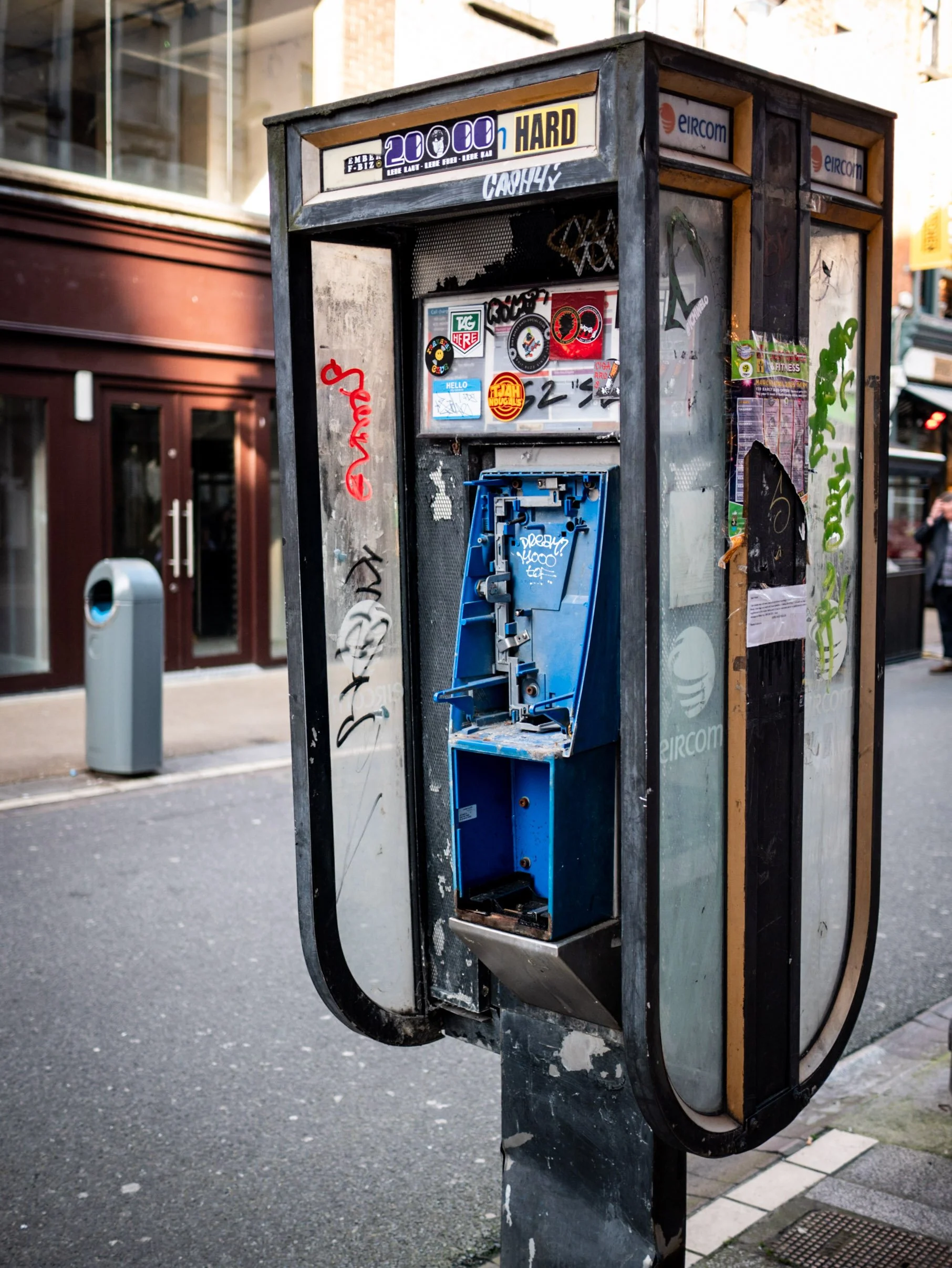
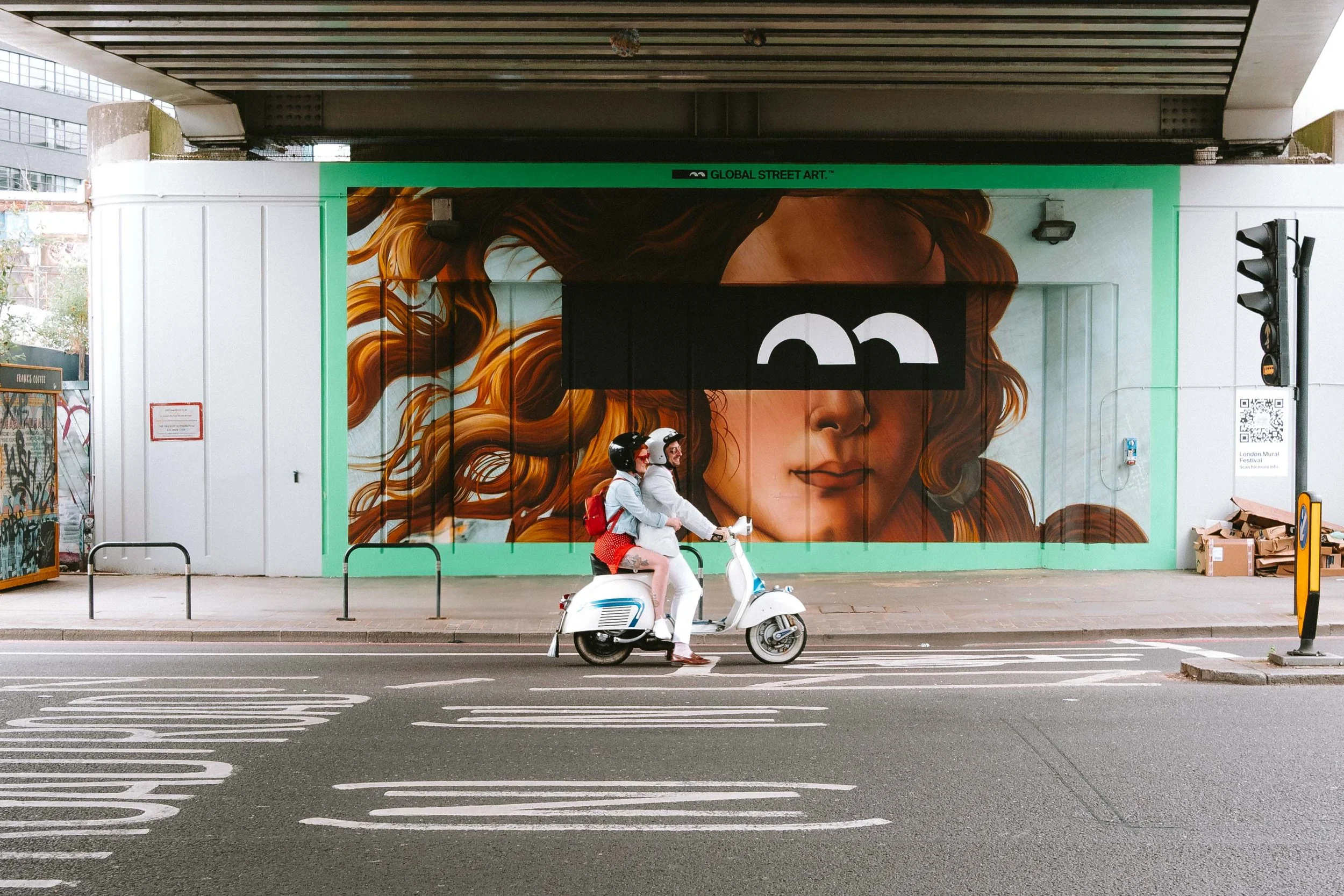
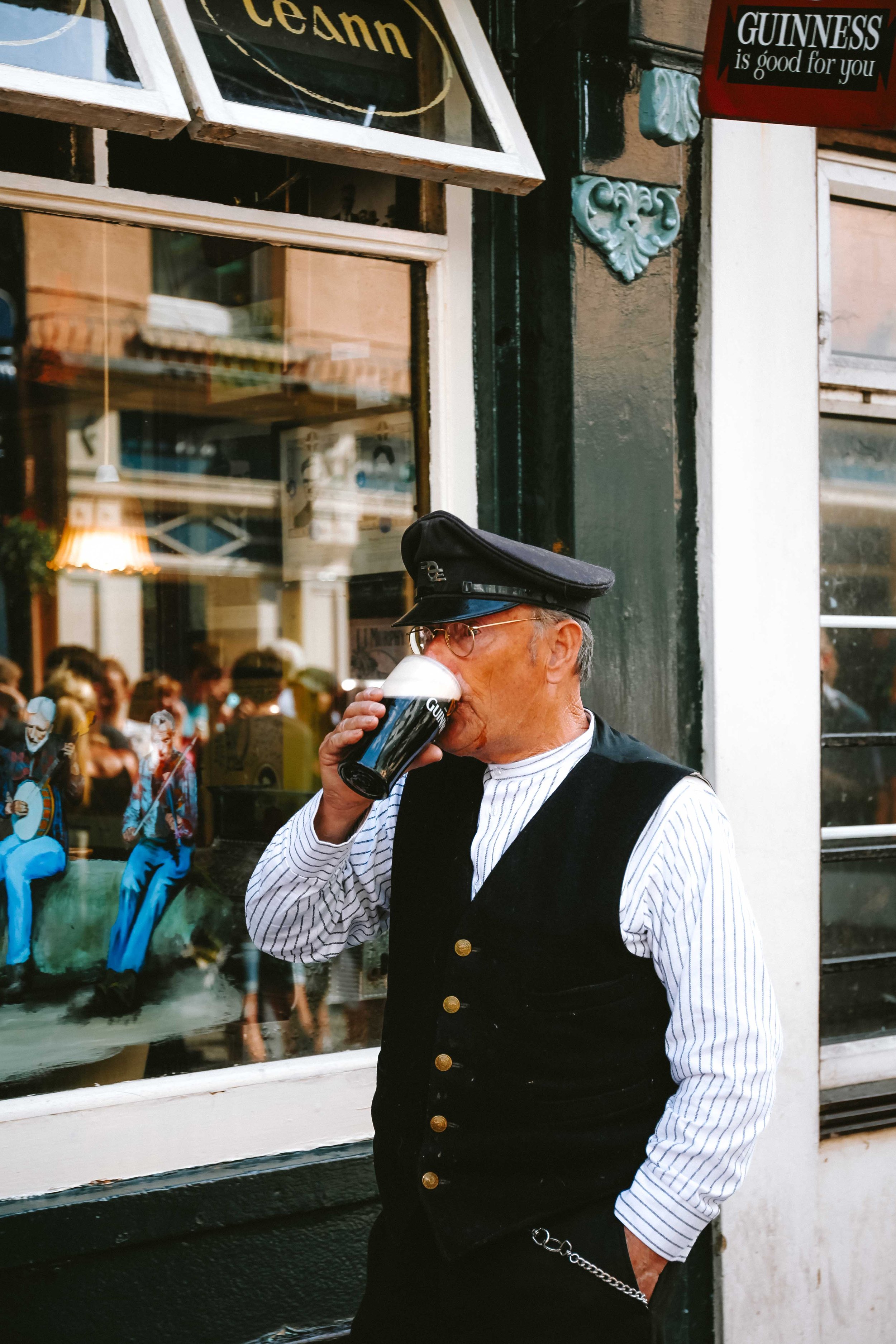
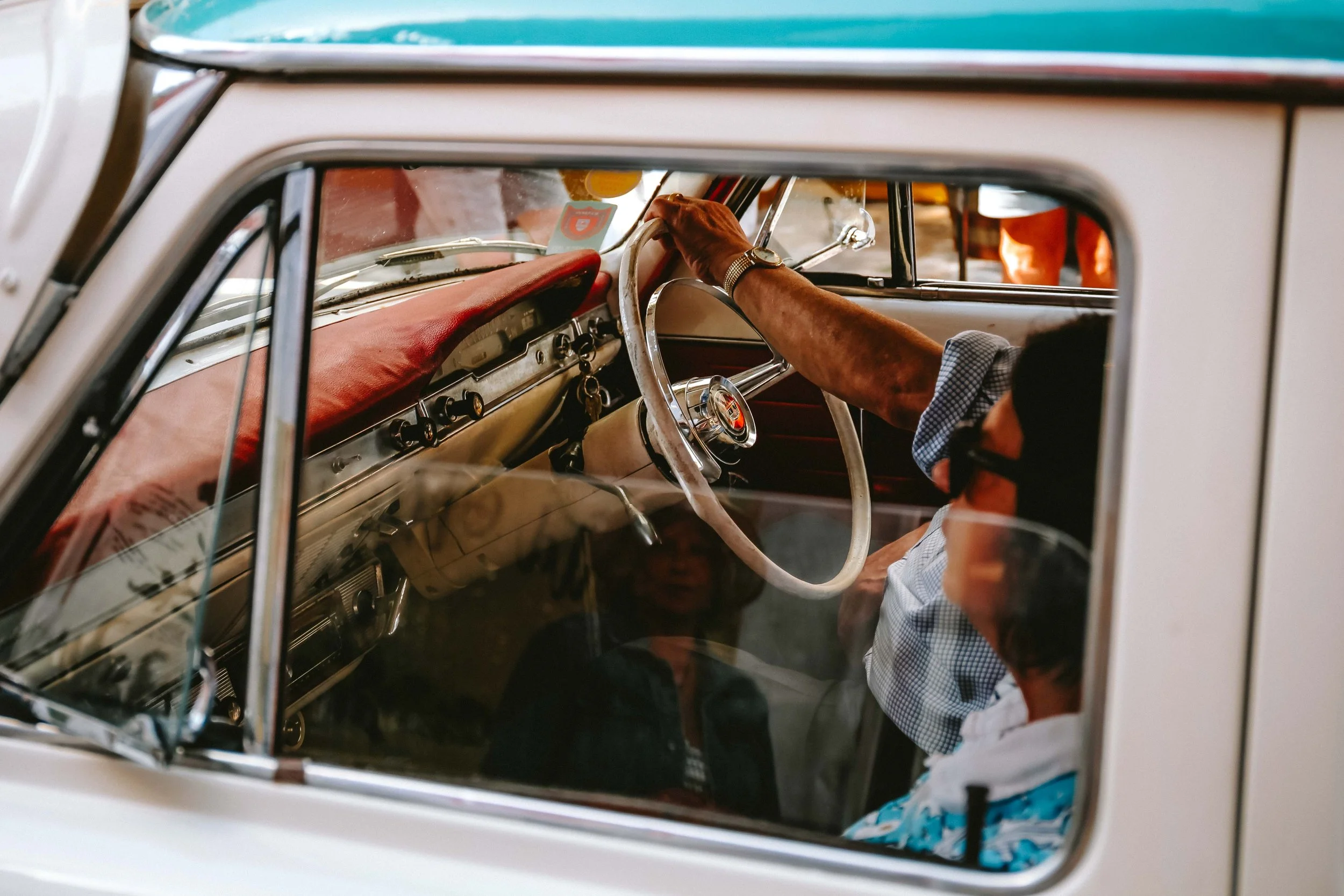
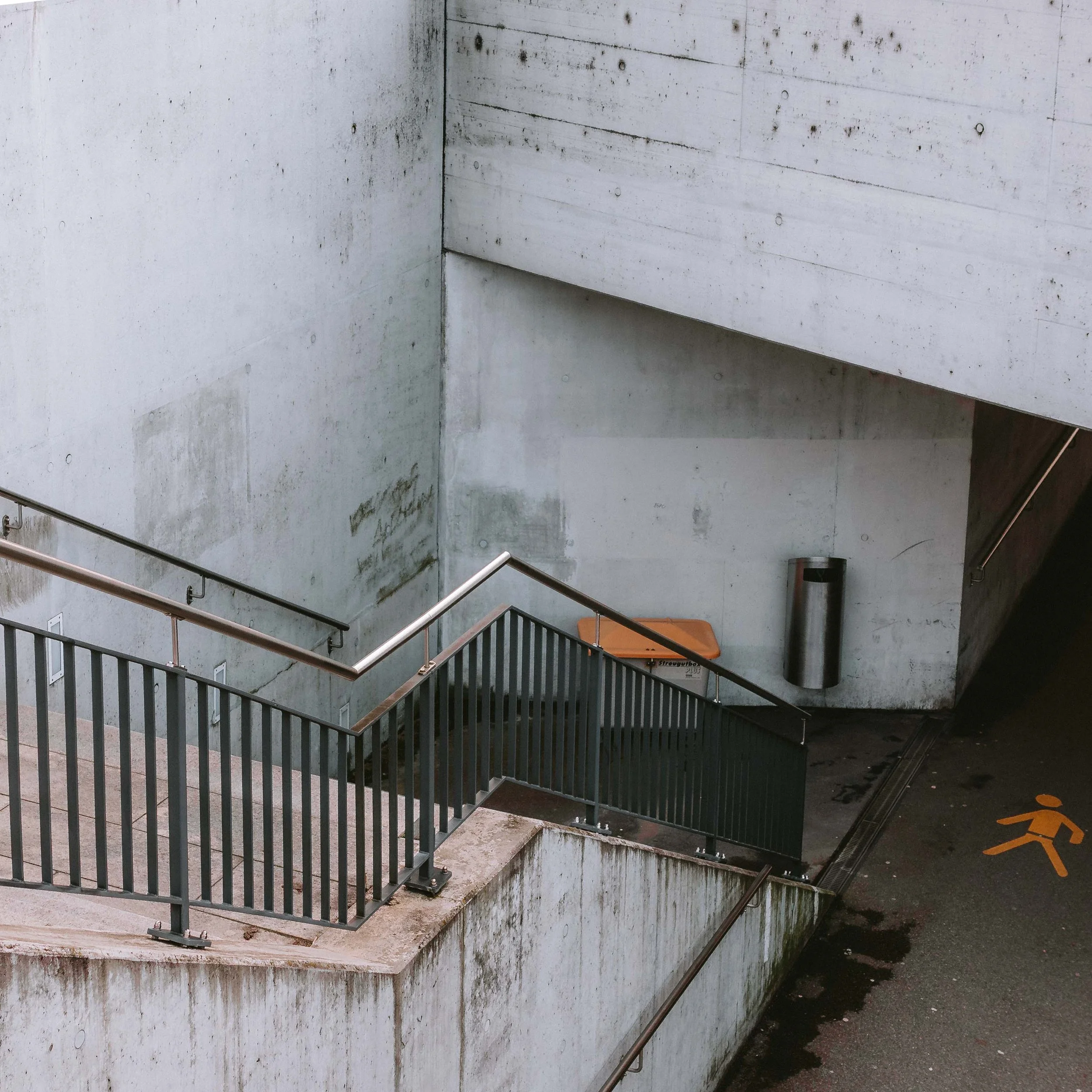
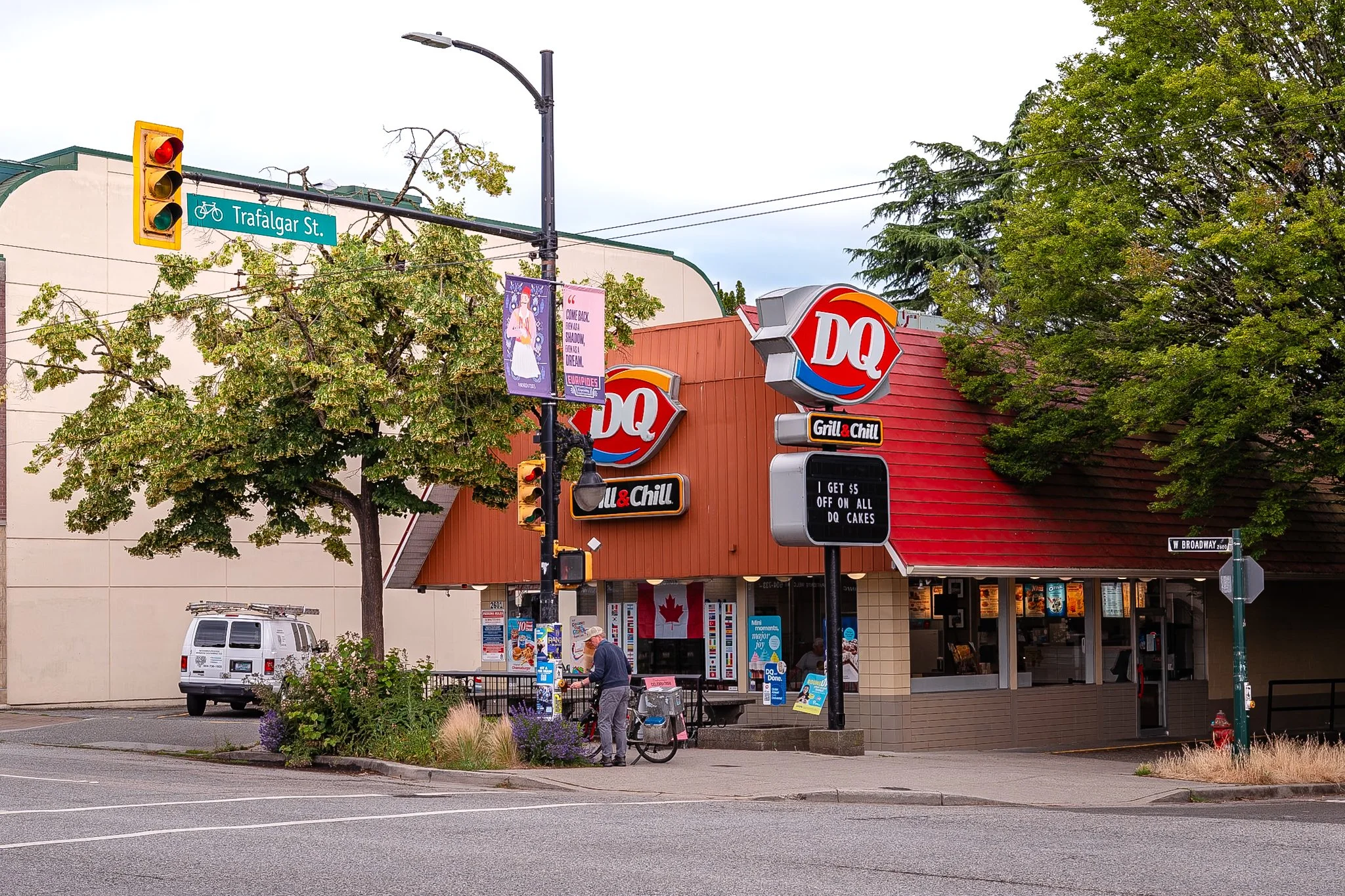
Below a little roundup of some photos I took with either a 28mm or 50mm lens in Dublin, London, Vancouver, Amsterdam, Clonakilty, Switzerland and Puglia, I’ll let you decide what’s Jazz and what’s Classical.